
News
MITEM 2019
SZCENÁRIUM - MITEM English
The English language April issue of the professional journal of the National Theatre in Budapest
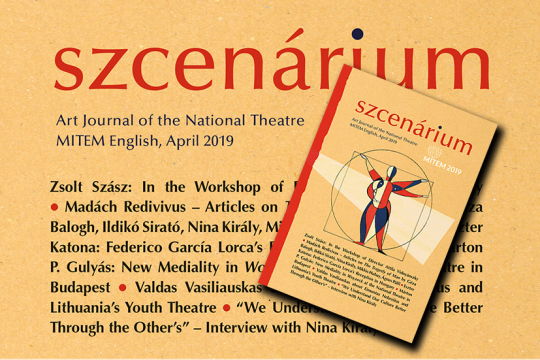
The English language April issue of the professional journal of the National Theatre in Budapest, Szcenárium, has again been composed for the guests of MITEM (Madách International Theatre Meeting) this year. We think it is timely on this, the sixth occasion of the meeting that more space be devoted to the hosts, to ourselves. So we present you the masterpiece of Hungarian dramatic literature, translated into 33 languages, the author of which, Imre Madách, is the eponym of the event and a new production of which by director Attila Vidnyánszky is to be featured in the festival as well.
Song Offerings (Gitanjali) - Tagore and Lalan
The concert of Parvathy Baul and Béla Wittek - 27 April, Saturday, 18:30, Kaszás Attila Stage

MITEM professional programmes
Odin Teatret is 55 years old - A Dictionary of Theatre Anthropology: The Secret Art of the Performer
27 April, Saturday, 16:00, Kaszás Attila Stage
MITEM professional programmes
In memoriam Eimuntas Nekrosius – a documentary and a conversation
26 April, Friday,16:00-18:00, Kaszás Attila Stage
MITEM professional programmes
As mirrored in a clown - Meeting Slava Polunin
12 April, Friday,16:00-18:00, Kaszás Attila Stage
His Snowshow is rated as a classic of the 20th century. When asked how difficult it is to carry on one's shoulders the burden of world-wide fame, Slava usually answers that the difficult part is not so much to carry it, as to keep it there.
Exhibitions during MITEM
The World of Purcărete - An Exhibition of Photographs by Silviu Purcărete
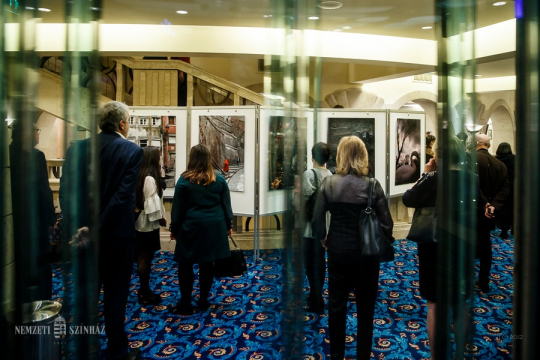
The exhibition of photographs by Silviu Purcărete was organized for the first time in 2015 in the entrance hall to the Bucharest National Theatre on the occasion of the opening of the Romanian National Theatre Festival (RNTF). In the photographs, Purcărete, who as a theatre director has traveled the world, invites us to join him for a journey. He shares moments he has captured, stories caught in a single gesture, explosive energies, and the tense energy of past and present side by side.
Nina Kiraly passed away
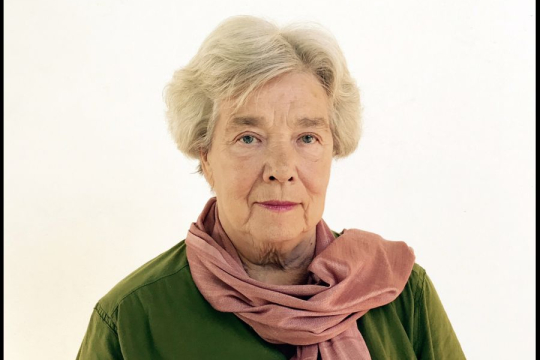
It is with a very, very sad heart that I let you know that Nina Kiraly (Dubrovskaya) passed away. We still can't process she is no longer with us. She was 77, way too young for us to let her go so soon. We are heartbroken but will keep her spirit alive and let it shine through. We will hold a memorial for her at the Hungarian National Theater in Budapest on August 24th, 2018.
MITEM 2018 - Documentary
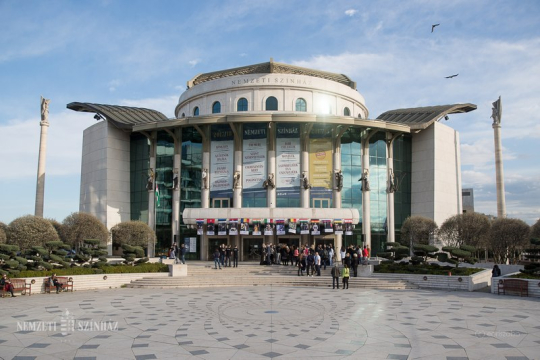
A documentary was made of this year's MITEM festival. Editor-director: Laura Bánfalvi, reporter-narrator: Dénes Farkas, editor-in-chief: Gábor Szabó.
Life-and-Death Struggle of Stage Selves at the National Theatre
Roundtable on The Drunks
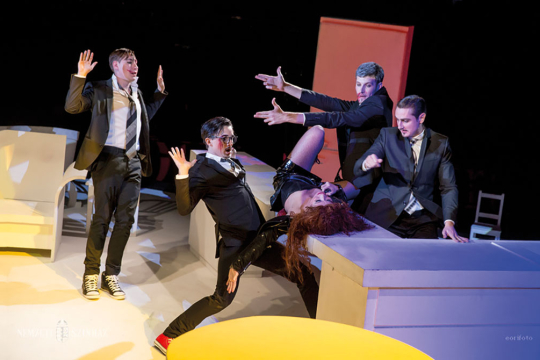
Since its premiere at the National Theatre in Budapest last autumn, Részegek (The Drunks), directed by Victor Ryzhakov, has been bringing down the house. It is shortlisted for the summer 2017 POSzT (National Theatre Festival in Pécs), too, where the previous season’s most highly esteemed Hungarian productions are presented each year.


